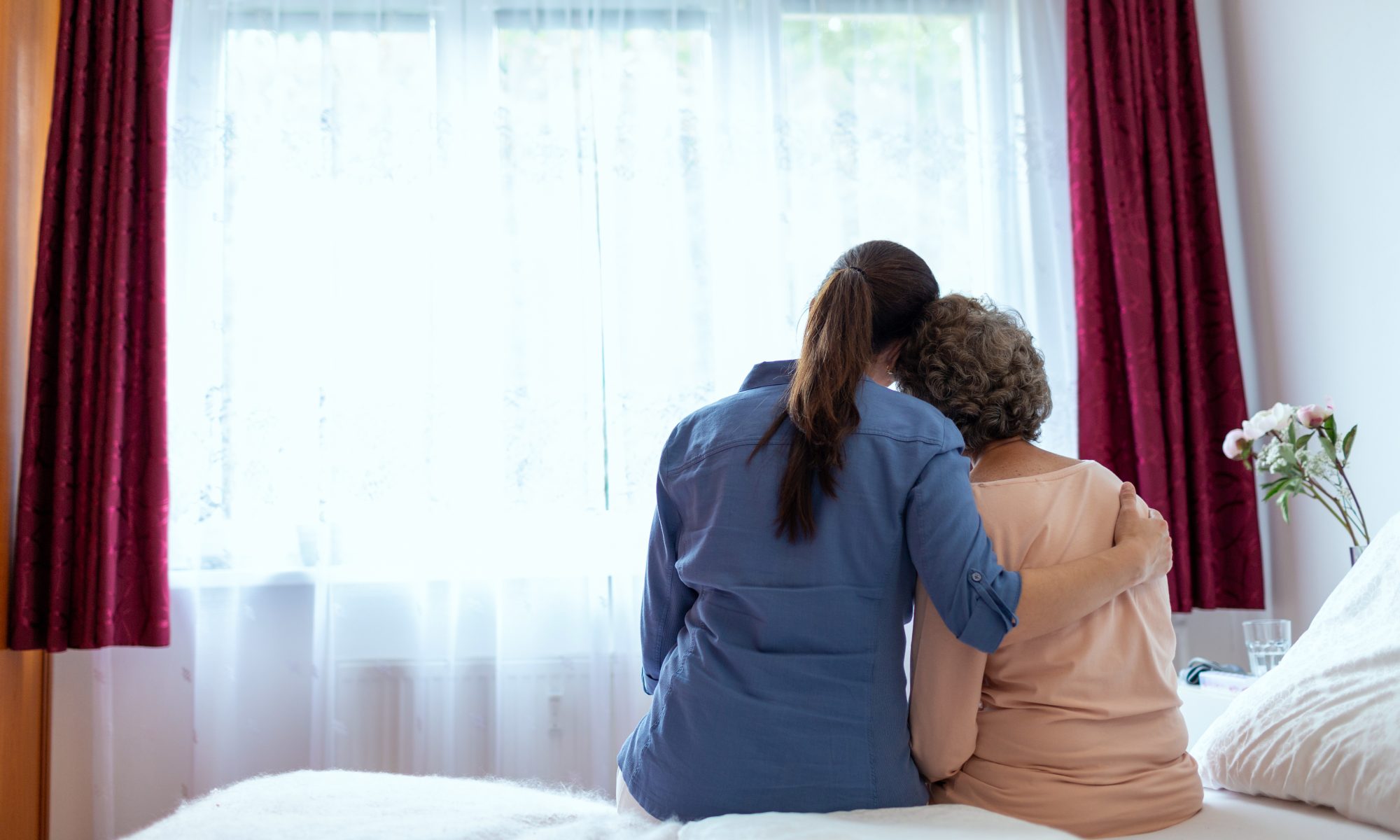
Ensuring the safety of a senior loved one with dementia requires careful planning and adjustments to his or her living environment. By identifying potential hazards and implementing practical solutions, you can create a secure space that supports your loved one’s independence while minimizing risks.
What Home Layout Changes Reduce Safety Risks?
The physical layout of a home can present numerous challenges for someone with cognitive impairment. Simple modifications can significantly reduce the risk of accidents. Start by assessing each room for tripping hazards such as loose rugs, electrical cords, and clutter. Securing rugs with nonslip backing or removing them entirely is often the safest option. Lighting plays a crucial role in preventing falls. Ensure hallways, staircases, and bathrooms are well lit. Installing automatic nightlights can guide your loved one during the night, reducing confusion and the likelihood of tripping. Additionally, consider placing contrasting colored tape on the edges of stairs to make them more visible. Caring for a loved one with dementia is a challenging task for anyone. The responsibilities can sometimes feel overwhelming, but help is available. Seniors can face a variety of age-related challenges. Though some families choose to take on the caregiving duties, there may come a time when they need a top-rated Des Moines at-home care provider. Families sometimes need respite from their duties so they can focus on their other responsibilities, and some seniors need around-the-clock assistance that their families are not able to provide. Home Care Assistance is here to help.How Can You Make the Kitchen Safer for Someone with Dementia?
The kitchen is often the heart of the home, but it can also be a source of danger for individuals with dementia. To prevent accidents, consider the following adjustments:- Appliance safety – Install safety knobs on the stove to prevent it from being turned on accidentally. Some caregivers choose to disconnect the gas or use an automatic shutoff device.
- Sharp objects – Store knives, scissors, and other sharp utensils in locked drawers or high cabinets that are out of easy reach.
- Chemicals – Keep cleaning supplies and other hazardous chemicals in a locked cabinet. Clear labeling with large, easy-to-read text can also prevent confusion, though locking them away is the safest method.
- Food safety – Regularly check the refrigerator for expired food to prevent food poisoning, as individuals with dementia may not recognize when food has gone bad.
What Bathroom Modifications Can Increase Safety?
Bathrooms are high-risk areas due to slippery surfaces and hard fixtures. Implementing specific safety measures can prevent falls and injuries. Installing grab bars near the toilet and in the shower or bathtub provides essential support. A raised toilet seat can make sitting and standing easier, reducing strain. Nonslip mats should be placed inside and outside the shower or tub. For those with significant mobility issues, a shower chair or bench can make bathing safer and more comfortable. It’s also wise to lower the water heater temperature to 120°F (49°C) or below to prevent scalding, as sensory changes may affect your loved one’s ability to gauge water temperature accurately.How Can Families Reduce Wandering Risks?
Wandering is a common behavior in dementia patients and can lead to dangerous situations if they leave the home unnoticed. To mitigate this risk, consider installing complex locks or placing locks high up or low down on exterior doors where they’re less likely to be noticed. Door alarms can alert you if a door is opened. Disguising doors with murals or curtains can prevent your loved one from recognizing them as exits. It’s also beneficial to ensure your loved one carries identification at all times, such as a medical ID bracelet with his or her name and a contact number. Registering with a wandering response service can provide an added layer of security.What Fire and Emergency Preparations Are Important?
Fire safety is paramount. Regularly test smoke detectors and carbon monoxide detectors to ensure they’re functioning correctly. Keep a fire extinguisher in an accessible location and ensure all caregivers know how to use it. Create an emergency exit plan that accounts for your loved one’s mobility and cognitive limitations. Keep a list of emergency numbers, including the doctor, local hospital, and poison control, near the phone or in a prominent place. It’s also helpful to inform neighbors and local emergency responders about your loved one’s condition so they can be prepared to assist effectively in case of an emergency. Aging in place can present a few challenges for seniors living with dementia. However, with the help of top-tier Des Moines dementia home care, older adults can still live independently at home. Families can rely on Home Care Assistance to provide their elderly loved ones with mental and social stimulation, timely medication reminders, assistance with meal prep, and much more. Our caregivers are available around the clock to help your loved one live a happier and healthier life. To learn about our quality-assured services, give us a call today.Frequently Asked Questions
Is dementia home care available around the clock? +
Many providers offer flexible scheduling, including 24/7 care, to ensure continuous support and peace of mind for families.
Can dementia home care be tailored to specific needs? +
Absolutely. Care plans are customized to address the unique needs, preferences, and progression of dementia for each individual.
Are caregivers trained to handle dementia-related behaviors? +
Yes, professional caregivers receive training to manage challenging behaviors such as agitation, wandering, and confusion with patience and empathy.
How can home care help someone with dementia? +
Caregivers assist with tasks like medication reminders, meal preparation, and personal care while offering companionship and strategies to manage memory loss and confusion.
What is dementia home care? +
Dementia home care provides specialized support for individuals with dementia, focusing on safety, daily routines, and cognitive stimulation to enhance quality of life at home.