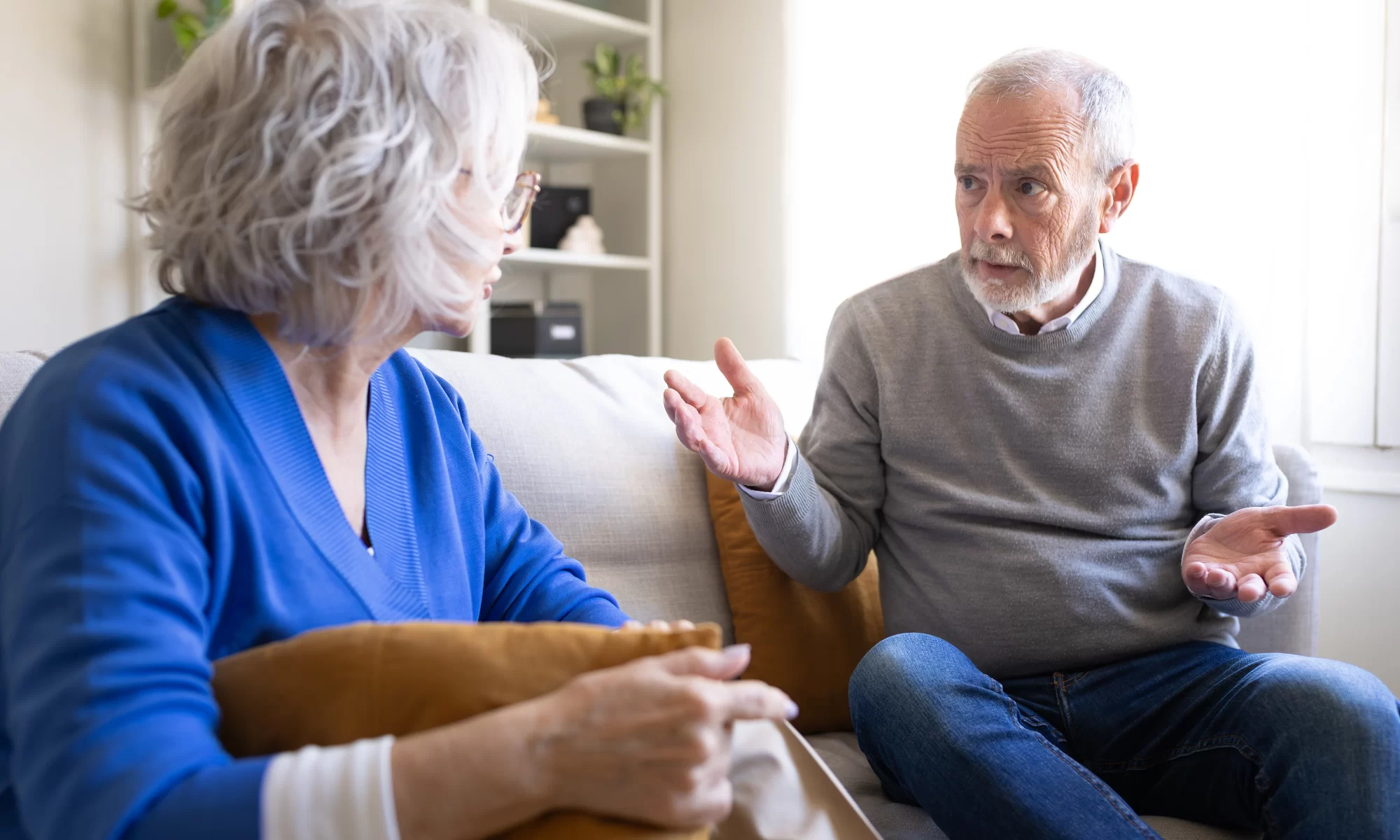
Dementia care significantly alters a spousal relationship by shifting the dynamic from equal partners to caregiver and receiver, often bringing profound emotional and physical challenges. While this journey can foster deep compassion, it also requires immense patience and adaptation from both individuals as they navigate their changing daily lives.
Even when families have the best intentions, caring for a senior loved one with dementia can be challenging. Fortunately, Home Care Assistance is here to help. We’re a leading provider of dementia home care that offers Des Moines families much-needed peace of mind. Families can take advantage of our flexible and customizable care plans, and our caregivers always stay up to date on the latest developments in senior care. Trust Home Care Assistance to provide high-quality compassionate professional care for your loved one. Call one of our friendly Care Managers today.
How Does the Shift in Roles Impact Emotional Intimacy?
The transition from a romantic partnership to a caregiver dynamic can create feelings of loss and loneliness. Emotional intimacy often changes as communication becomes more difficult and shared memories begin to fade. Spouses may need to find new ways to connect, such as through gentle touch, listening to familiar music together, or simply spending quiet time in each other’s presence.What Are the Common Emotional Challenges for the Caregiving Spouse?
Taking on the role of primary caregiver can lead to a highly complex mix of daily emotions. Caregivers must regularly process these feelings to maintain their own mental wellbeing:- Grief over the gradual loss of the partners they once knew
- Guilt for feeling frustrated or for needing personal time away from the house
- Burnout from the constant around-the-clock demands of caregiving
- Isolation as regular social activities become much harder to maintain
How Do Communication Difficulties Affect the Marriage?
As dementia progresses, the person affected may have difficulty expressing his or her thoughts or understanding spoken language. This breakdown in communication can lead to frequent misunderstandings and frustration for both spouses. Adapting by using simpler sentences, relying on nonverbal cues, and practicing active patience is essential for maintaining a peaceful and supportive home environment.Why Is Finding Support Crucial for the Caregiving Partner?
Relying solely on oneself to provide care is physically and emotionally draining over the long term. Building a strong support system allows the caregiving spouse to take necessary breaks and maintain his or her own wellbeing.- Joining local or online caregiver support groups to share experiences
- Leaning on family members and friends for help with daily household tasks
- Utilizing community resources like adult day centers or local respite programs
Frequently Asked Questions
How can spouses maintain a connection when dementia advances? +
Spouses can maintain a connection by focusing on nonverbal communication like holding hands, listening to familiar music, and looking at old photographs together.
Is it normal for a caregiving spouse to feel angry or resentful?+
Is it normal for a caregiving spouse to feel angry or resentful?
How do friends and family typically react to the changing relationship?+
Friends and family may sometimes pull away due to discomfort or a lack of understanding, making it vital for the caregiving spouse to actively communicate his or her needs.
What role does self-care play in caregiving for a spouse?+
Self-care is absolutely essential because it prevents caregiver burnout and ensures the healthy spouse has the energy to continue providing support.